




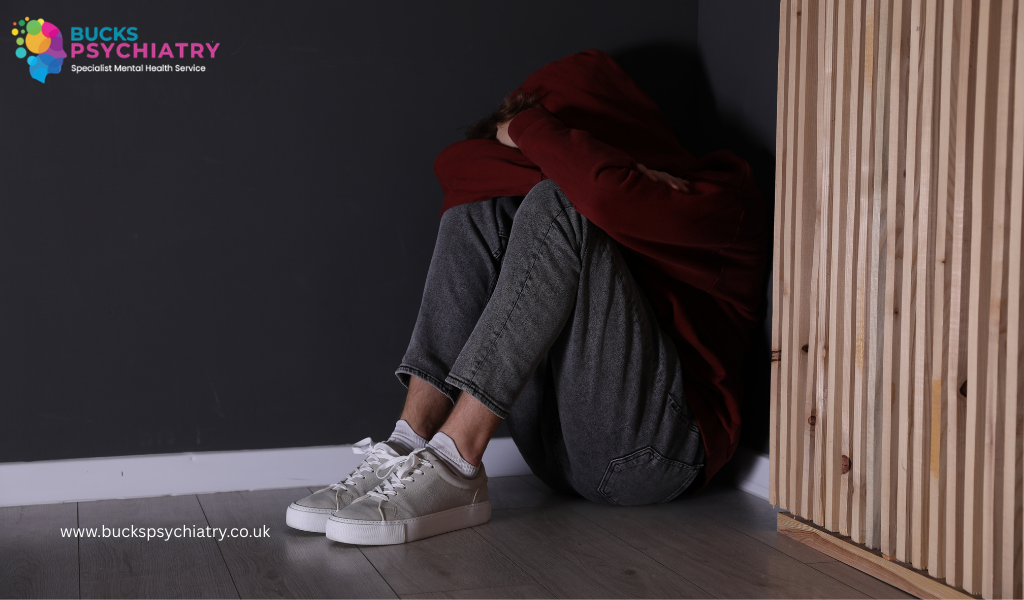
Distinguishing between normal teenage behaviour and depression can be difficult for parents. When teens get older, they tend to be more private and act more independently. But when particular behaviours are persistent for weeks or start to affect day-to-day life, it might be time to take notice.
What Is Teenage Depression?
Teenage depression goes beyond feeling sad or having a bad day. It is a mental health condition that may impact a teen’s thinking, emotions and behaviour. It might disrupt school functioning, friendships, family relationships and general well-being.
There are many reasons that a teenager can experience depression. They may suffer emotional distress due to academic pressure, social challenges like bullying and family issues, hormonal changes and too much time on social media. Depression can be related to genetics or underlying mental health in some individuals as well.
Read More: Supporting Your Child’s Wellbeing: The Role Of A Private Child Psychotherapist
Emotional Signs That Parents Can Look Out For
The most obvious sign of teenage depression is a change in mood. While some crankiness is normal for teens, prolonged sadness or irritability shouldn’t be.
A teen with depression might seem particularly withdrawn or emotionally distant. They might stop discussing how they feel or withdraw from family conversations. Some teens might seem sad all the time, while others may express anger or frustration or cry easily.
Another common symptom is disinterest in activities they previously enjoyed. For instance, a teen who had previously shown interest in sports, watching films or hobbies may appear disinterested or abandon these activities altogether.
Families may also notice a loss of hope in their child. Teenagers experiencing depression may verbalise negative thoughts about themselves, their future (for example, feeling hopeless), or their abilities. Things like saying “Nothing matters anymore” or “I’m not good at anything” can be red flags that should be taken seriously.
Behavioural Changes to Notice
Not only are emotions affected by depression, but behaviour is too. Parents might find their teenager spending excessive time alone, shunning friends or staying in the bedroom for hours.
Changes in school performance can also be common. A teenager who has previously performed well in school may suddenly become unfocused, fail to turn in assignments or seem disinterested in his or her studies. Teachers might notice lower engagement or plummeting grades.
Sleep patterns might also shift. Some teens are riddled with insomnia when depressed, while others sleep significantly more than they normally would. A consistent feeling of fatigue, low energy or difficulty waking up in the morning are other indicators of emotional distress.
Eating habits can shift too. Some teens might completely lose their appetite, while others may start eating more than they normally would to help cope with their emotions.
Physical Signs of Depression
Depression not only affects feelings; it also can affect physical health. Teens who are depressed may complain of frequent headaches or stomach aches, or even complain of a general ache in the body.
Because emotional stress regulates the body, these physical manifestations may occur in the absence of a sound medical explanation. Parents should take these complaints seriously, especially if they happen regularly.
Social Withdrawal and Isolation
Social withdrawal might be another key warning sign. Teens who are struggling with depression could withdraw from friends, family members or social events. They might withdraw from gatherings or avoid situations they once relished.
For some teens, they spend too much time online or with their phones rather than interacting face-to-face with other people. Although technology is an expected aspect of a teen’s life, extreme isolation may also point to more serious emotional challenges.
When to Seek Help
Parents need to trust their instincts. If your adolescent’s mood or behaviour changes markedly and persists over more than two weeks, consider seeking professional support.
Counsellors, psychologists, or doctors — mental health professionals — can help assess the situation and provide appropriate guidance. Early detection and intervention can help teenagers develop healthy coping mechanisms, preventing symptoms from getting worse.
Parents also need to respond immediately when a teen expresses thoughts about self-harm, feelings of worthlessness or the wish they would disappear. These kinds of statements should never be taken lightly, and they warrant immediate help from a mental health professional.
What Parents Can Do to Support Their Teen?
Help from parents is critical in helping teens cope with depression. One of the most helpful things that parents can do is set up a safe and open environment for communication.
Instead of condemning or criticising, listen with patience and goodwill. Sometimes teenagers do not show their feelings, but knowing someone is listening can really make a difference.
Healthy routines can be helpful to our emotional health as well. Regular sleep, balanced meals, exercise and time away from screens can all help support mood and mental health.
Even mundane activities such as walking, cooking and discussing daily events can reinforce the bond between parents and teens.
Final Thoughts
Teenage depression is more prevalent than most people realise but often remains undetected. Since teenagers are still developing emotional intelligence, they might have a hard time articulating what they’re experiencing.
Parents’ awareness is the first step in helping their child. Parents can provide assistance and seek professional help when necessary by identifying the emotional, behavioural, and physical symptoms of depression.
Above all, teenagers need to know they’re not alone. Followers, however, can have challenges with understanding, patience and the right support, they can overcome these challenges and build a healthier, more positive future.
FAQs: Understanding Teenage Depression
What are the first signs of teenage depression?
Early signs of teenage depression often include persistent sadness, irritability, loss of interest in activities, and withdrawal from friends or family. Parents may also notice changes in sleep, appetite, and school performance. If these symptoms last more than two weeks, it may indicate depression rather than normal teenage mood changes.
How can parents tell the difference between teenage mood swings and depression?
Normal teenage mood swings usually pass quickly, while depression lasts longer and affects daily life. If a teenager shows ongoing sadness, lack of motivation, fatigue, or difficulty concentrating for weeks, it could be a sign of depression and may require professional support.
What causes depression in teenagers?
Teenage depression can develop due to several factors such as academic pressure, bullying, family problems, hormonal changes, social media stress, or genetics. In some cases, traumatic experiences or low self-esteem may also increase the risk.
How long do symptoms of teen depression usually last?
For a diagnosis of depression, symptoms typically last at least two weeks and affect daily life, relationships, or school performance. Without proper support or treatment, symptoms may continue for months or longer.