




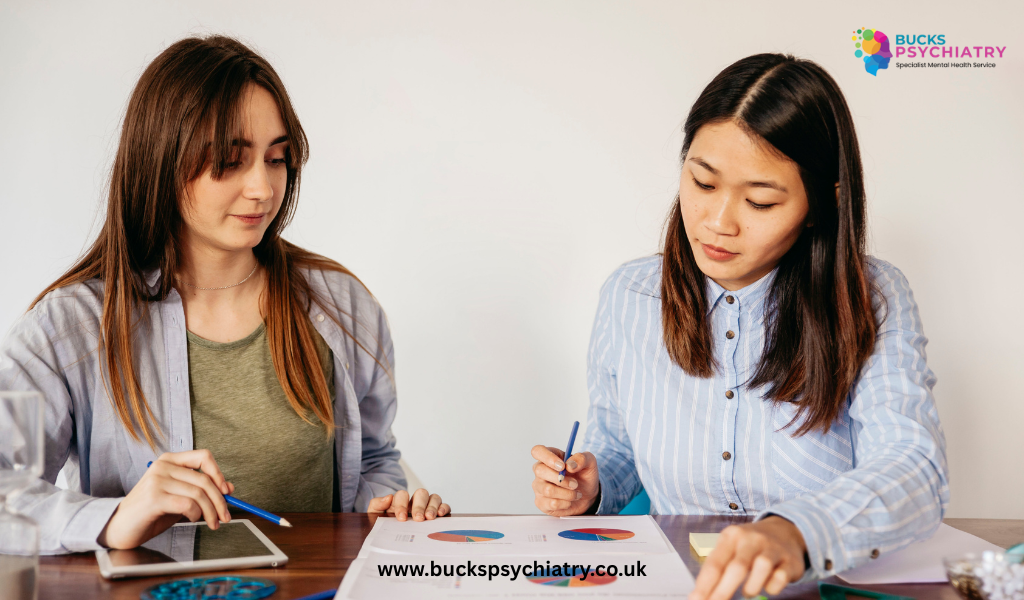
If you have ever felt different for some unexplained reason, then this guide will help outline the signs, testing and what to do next in simple, practical terms.
Why Autism Often Goes Undetected in Women?
Women can experience autism in very different ways than those we normally associate with it; Since a lot of women develop coping mechanisms early on, their challenges can be more hidden.
Women may look socially competent, but are drained after social interactions rather than suffering glaring social problems. They often learn to watch the world around them to mimic blending in while fighting a silent battle inside.
This highlights the need for an appropriate Autism Diagnosis in Women. It helps uncover patterns that perhaps have been left in the dust for years.
Early Signs You Should Not Ignore
But traits are far subtler and rarer among women. Some of these experiences may resonate with you:
- Feeling overwhelmed in social situations despite appearing confident
- Strong sensitivity to noise, light, or textures
- Deep focus on specific interests or hobbies
- Difficulty understanding social cues or hidden meanings
- Emotional burnout after routine interactions
- A long history of anxiety, depression, or misdiagnosis
And those signs are not always obvious to everyone else, which is why self-awareness is so important to initiate assessment first.
How Autism and ADHD Can Overlap?
Lots of women looking into autism resonate with characteristics of ADHD, too. The overlapping nature of both conditions can often complicate this diagnostic process.
ADHD female tests are routinely suggested with autism screening to screen for attention challenges, including:
- Difficulty focusing or staying organised
- Impulsivity or restlessness
- Struggles with time management
- Knowing if you have one or both conditions is critical to getting an accurate and useful diagnosis.
What to Expect from an Autism Assessment?
A women-specific autism assessment will be a structured process which is aimed at understanding your experience in detail. Its not a simple tick list but a holistic assessment.
Typically, the process includes:
- A thorough developmental and psychosocial history
- Questionnaires or screening tools
- One-to-one clinical interviews
- Observations of behaviour and communication
- Feedback from family members, if applicable
- The goal is to develop a full picture, not just a picture of symptoms.
Choosing the Right Assessment Provider
It makes a huge difference to find the right professional. Find specialists who know about autism in women
When selecting a provider, consider:
- Experience in female autism diagnosis
- Use of evidence-based tools
- A supportive and non-judgemental approach
- Communicate the process and the results clearly
Read More: Parental Mental Health: The Impact Of Parenting On Your Wellbeing
Benefits of Getting Diagnosed
Having a formal diagnosis often changes everything. Most of the women who get diagnosed said it feels like having answers after being confused for so many years.
Some key benefits include:
- Better self-understanding and acceptance
- Specialized support and therapies
- Less likely to feel the blame on themselves, and better mental health
- Enhanced communication in both personal and professional relationships
- It signals a new era in life that is more fulfilling for most people.
Take the Next Step
If you have identified with this guide, it is worth considering a professional female autism test or full assessment. Seeking help as soon as a concern arises can help provide clarity and give you access to the support you deserve.
Whether it be for yourself or someone you care about, the first step to real progress is to contact a professional.
Conclusion
Despite this, autism in women has been largely overlooked for years, which in turn leaves awareness campaigns lacking, yet this is changing at a nice pace. With the right sort of autism assessment for women, clarity, validation, and a means of finding the support tailored to your needs, really is possible.
If you have been doubting your experiences, do not trust those feelings. Knowing who you are is not only beneficial, but also gives you power over yourself. The action you take now may lead to a more secure and confident tomorrow.