




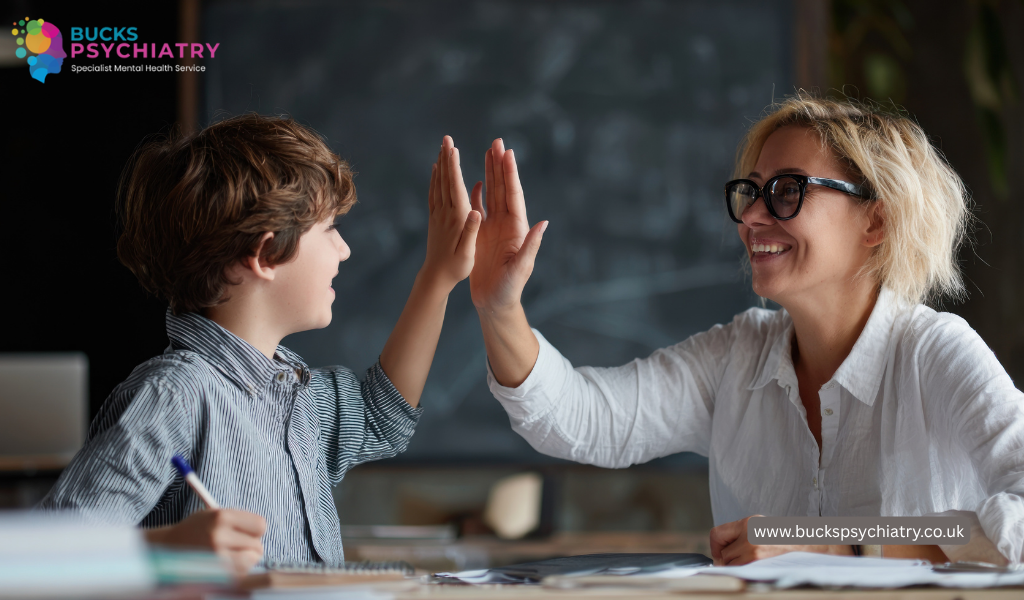
And lets be honest, this isn’t because your child is “lazy” or “not trying.”
ADHD is a real brain difference, and your child isn’t choosing these behaviors on purpose.
Many parents start by taking a simple ADHD test child free online or doing a short ADHD quiz just to get idea of symptoms. These are helpful to get started, but they don’t replace a full evaluation from a doctor or psychologist.
Some teens and adults even discover later in life that they had ADHD all along, leading them to seek an Adult ADHD Diagnosis to understand themselves better.
What Treatment Usually Looks Like?
There are three main parts of ADHD treatment:
● Behavioral Therapy
● Medication
● School Support and Accommodations
Sometimes one is enough, sometimes a mix works best.
Behavioral Therapy: Skills for Everyday Life
Behavioral therapy teaches kids and parents how to handle emotions, routines, and behaviors in a easier way. It’s not about punishment — it’s about building habits that reduce stress.
A behavioral therapist ADHD expert might help your child:
● Learn to pause before reacting
● Break tasks into smaller pieces
● Learn calming methods when overwhelmed
● Build routines that are stable and simple
Parents also learn new ways to respond — because yelling or punishment usually doesn’t work with ADHD children and can sometimes make things worst.
Many families also work with an ADHD consultant who help organize home routines, homework plans, and daily structure.
Read More: How Behavioral Therapy Can Help Manage ADHD Symptoms?
Medication: What It Helps With
There’s often worries about medication, and that’s totally normal. But when it’s well-chosen and monitored, medication helps many kids:
● Focus longer
● Stay calmer in class
● Manage frustration better
● Feel more confident doing tasks
Two main types are used:
| Medication Type | What to Know |
| Stimulants | Work quickly and are the most common |
| Non-Stimulants | Used when stimulants don’t fit well or cause side effects |
Medication does not “change who they are.”
It just helps them use the abilities they already have.

Common Side Effects (Mostly Temporary)
Most side effects can be managed easily. Here’s what parents usually notice:
Low Appetite
Some kids don’t feel hungry around lunch.Try a bigger breakfast or after-school meal.
Trouble Sleeping
This can happen if medication lasts too long.Giving dose earlier often helps.
Mood Changes
Some kids become a little sensitive at first.Usually improves when dose is adjusted.
Headaches or Stomachaches
Usually fade after a few days.If a side effect feels too strong, the doctor can lower dose or switch the medicine. There’s many options — you don’t have to “just deal with it.”
Things Doctors Watch For
These are checked during normal follow-ups:
● Heart rate and blood pressure
● Height and weight growth
● Emotional changes
● Sleep routines
This is to keep the child safe and comfortable.
School Support Helps A Lot
At school, kids with ADHD do much better when teachers understand their needs. Helpful supports include:
● Extra time for tests
● Being seated away from distractions
● Instructions broken down step-by-step
● Encouragement instead of punishment
These changes can seriously reduce stress for both child and teachers.
Choosing Treatment for Your Child’s Age
| Age | Best Start |
| 3–5 years | Behavioral therapy + parent support |
| 6–12 years | Mix of therapy and medication |
| Teens | Medication + therapy for emotional skills |
Teens should be part of decisions — they respond better when they feel heard.
What If ADHD Shows Up Later?
Some people don’t realize they had ADHD until high school, college, or adulthood.
That’s where an adult ADHD diagnosis helps explain years of struggling to stay organized or focused.
It’s never too late to understand yourself.
How You Can Support Your Child Every Day?
● Be patient — your child isn’t doing this on purpose.
● Break jobs into small steps.
● Use routines so they know what comes next.
● Praise effort, not perfection.
● Notice the good, even the small wins.
Children with ADHD are often very creative, curious, funny, loving, energetic, and imaginative. The goal is to help them use their strengths while managing challenges.
A Positive Future Is Absolutely Possible
With the right support, kids with ADHD can:
● Do well in school
● Build good friendships
● Learn emotional balance
● Grow confidence
● Discover talents they are proud of
We are not trying to “fix” your child —
We are helping them understand their brain so they can live happily and confidently.